Where the three groups sit and why they pair well
All three lie within the conservation zone of southern Misool, a short tender run apart, so a yacht can hold one anchorage and send the tender out in sequence. Yapap and Wayil are rock-and-lagoon scenery with reef on the edges. Fiabacet is reef first, with the islands and Kalig beach as the surface stop. Together they give a group that mixes snorkelers, divers and non-swimmers one day with something for each. To see where this southern corner sits against the Dampier Strait and Wayag, our Misool, Raja Ampat overview maps the whole island group.
None of the three is reached by scheduled transport. Boats anchor outside the lagoons or offshore and visitors transfer by tender, which is the whole reason the day works better from a private yacht than from a shared schedule. The tender leaves when the tide is right for the channel you want, not when the dive deck is ready. The other lagoon stops of Misool, including Balbulol and the Lenmakana jellyfish lake, are set out on the Misool lagoons overview.
Yapap Misool: the rock gardens and channels
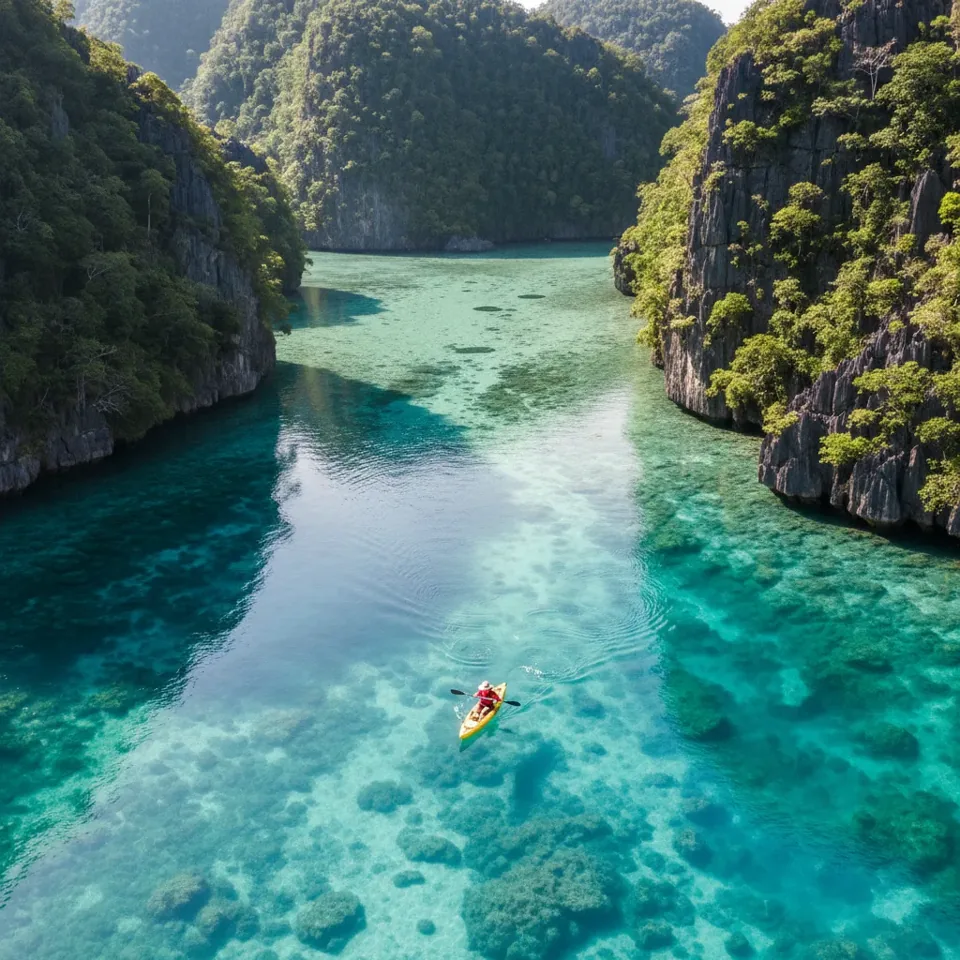
Yapap is a group of striking limestone rocks and small islets with shallow reef and narrow channels between them. The water is shallow and clear, with soft coral on the rock faces just below the surface and reef fish holding in the shade. This is snorkel water, not dive water. A mask and fins are enough to see most of it.
The tender idles into the channels and drops snorkelers at the up-current end so they drift through with the water rather than against it. Expect small reef fish along the rock faces and, on a good day, a turtle moving between the islets. The best light is mid-morning, when the sun is high enough to reach the channel floors and the rock colors show against the water.
Yapap is also the photography stop of the three. Snorkelers with a wide lens shoot the split view of rock above and coral below; the limestone shapes carry the frame even on a flat sea; lens notes are on the Misool underwater photography page. Landing and anchoring must avoid coral and respect local zoning, so the tender holds in deeper water while the group is in.
Wayil lagoon and the Wayilbatan barrel-sponge gardens
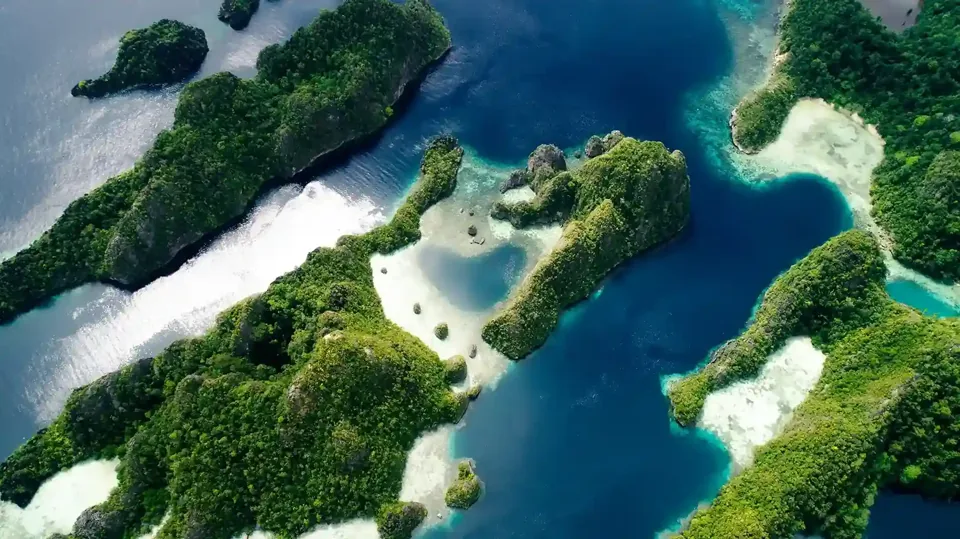
Wayil, also called Love Lagoon, is a sheltered turquoise lagoon enclosed by limestone islands. Its name comes from the viewpoint above it, where the lagoon reads as a heart shape, and most visits combine a short tender circuit inside the lagoon with the climb to that viewpoint. The lagoon itself is calm and shallow, which makes it the easiest water of the day for anyone who is new to snorkeling. The viewpoint and the climb are covered in detail on the Love Lagoon Misool guide.
The reef interest on this leg is Wayilbatan. The site runs from 5 to 35 m and is known for its barrel-sponge gardens, large sponges standing on the slope with schooling trevally working the water above them. Snorkelers cover the top of the reef from about 5 m, where the sponges begin and the fish life is densest in good light. Divers follow the same slope down.
Current at Wayilbatan can increase when the tide brings the larger fish in, so the tender driver reads the water before dropping anyone. On a running tide, snorkelers stay on the sheltered side and divers take the drift. On slack water, both share the reef top.
Fiabacet islands: snorkel and dive together, Kalig as the sand stop
Fiabacet is a chain of coral pinnacles rising from 35 m to within 8 m of the surface, and it is the most reef-rich of the three groups. The pinnacle tops carry sea fans and soft coral, with schooling snapper and sweetlips holding in the current shadow. Divers who look closely find pygmy seahorses on the fans and wobbegong sharks resting under the ledges. Current is typically moderate but tide-dependent, which is why most operators treat Fiabacet as a diving destination first.
It is still a strong snorkel stop when the tide is right. The shallowest pinnacle tops sit close enough to the surface that a snorkeler sees the fans, the snapper schools and the soft coral from above, while the divers below work the same structure deeper. From a private yacht, this is the moment the whole group is in the water together, in the same place, with the tender holding between them.
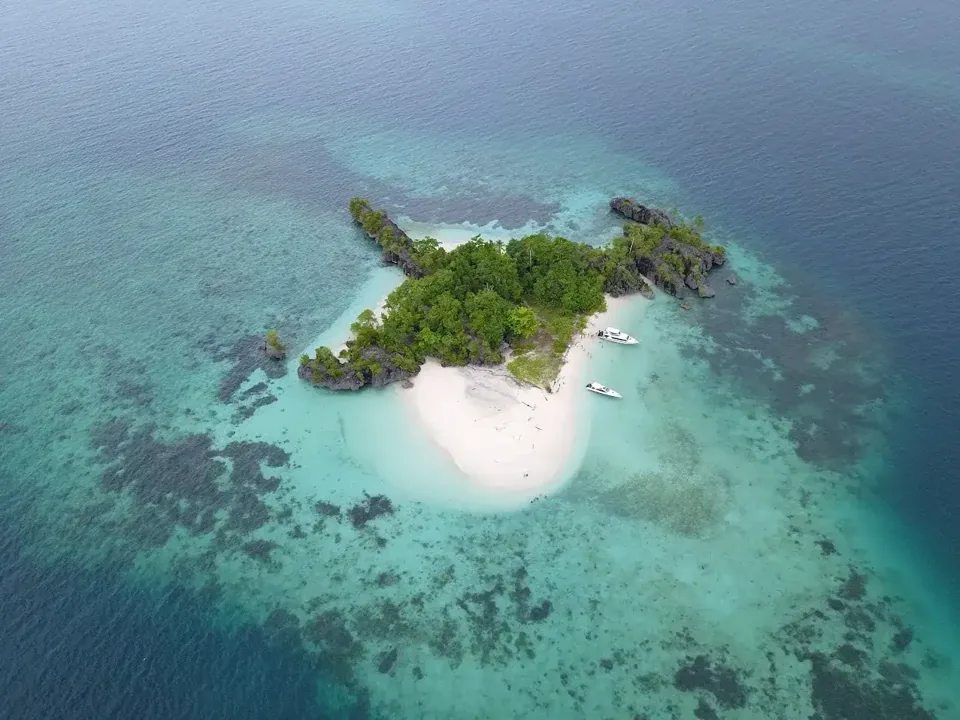
Kalig is the small white-sand island beside Fiabacet and it is the natural surface interval. Operators pair the two as a matter of course: dive or snorkel Fiabacet, then land at Kalig for the picnic. Visitors use the designated landing area, take all rubbish away and do not collect shells, coral or wildlife.
A full day from the yacht
The sequence below is the one most Misool itineraries follow when the yacht is anchored in the south. Tide and current set the exact order on the day, so treat it as a template rather than a schedule.
| Time | Stop | Water | Who it suits |
|---|---|---|---|
| 07:30 | Fiabacet pinnacles, first dive | 8 to 35 m, moderate tide-dependent current | Certified divers |
| 09:30 | Yapap rock gardens and channels | Shallow channels, soft coral on rock faces | Snorkelers, photographers, non-swimmers by tender |
| 11:30 | Wayil lagoon and viewpoint | Calm, shallow lagoon | Everyone, including first-time snorkelers |
| 13:00 | Kalig beach | White sand, designated landing | Lunch for the whole group |
| 14:30 | Wayilbatan barrel-sponge gardens | 5 to 35 m, current builds with the tide | Divers on the slope, snorkelers on the reef top |
| 16:30 | Fiabacet, second dive or late snorkel | Pinnacle tops near slack water | Divers and snorkelers together |
Two points shape the day. First, the yacht does not move; the tender does, which keeps the galley, the camera gear and the non-swimmers in one comfortable place. Second, the Fiabacet dives bracket the day because the pinnacles want the tide, while Yapap and Wayil can take the midday light.
Water temperature across Misool runs about 26 to 28°C, so a thin wetsuit or rash guard is enough for most people over a long day in the water. The most consistently favorable visibility and sea conditions are reported from October to April; the best time to visit Misool sets out the months in more detail.
Marine life to expect
Across the three groups, the species list is wide for a single day. Yapap gives the shallow reef set: small reef fish on the rock faces and turtles in the channels. Wayilbatan adds the barrel sponges and the trevally schools, with pelagic activity when the current runs. Fiabacet supplies the big structure: sea fans, schooling snapper and sweetlips, pygmy seahorses for anyone with patience and a guide, and wobbegongs under the ledges.
Manta rays are not what these three sites are known for. The manta cleaning station in Misool is Magic Mountain, an exposed seamount at 7 to 40 m with sharks and trevally, which is a separate dive day for advanced divers; see the Misool manta season for when the rays are most reliably present. Macro divers who want nudibranchs, frogfish and ghost pipefish add Nudi Rock, a calmer site at 5 to 20 m that also works for snorkeling. The full list of Misool sites with depths and currents is on the Misool dive sites guide.
Reef etiquette
Misool lies inside a conservation zone and the rules are simple to follow. No touching coral, no standing on reef tops, no feeding or chasing fish. Snorkelers keep fins up in the shallow channels at Yapap, where the soft coral is within kicking range. Boats anchor outside the lagoons and tenders hold off the reef rather than tying to it.
On land, Kalig and the Wayil viewpoint use designated landing areas; nothing is collected, nothing is left. Local fishing closures are observed, and the crew carries the permits for the day. The permit and fee structure is explained on the Misool and Raja Ampat permit fees guide, and the wider protection story is on the Misool marine reserve page.
Plan it
The day described above is a standard component of a seven-night private charter from Sorong, which leaves several full days in the south of Misool. Tell the Misool Luxury Charter Desk whether your group is snorkel-only, mixed, or dive-led, and we will place Yapap, Wayil and Fiabacet on the days with the best tides and build the rest of the route around them. The Misool lagoons page shows the other karst and lagoon stops that share the same anchorage, and the Misool snorkeling guide covers the sites that suit non-divers across the whole trip.
Rascal
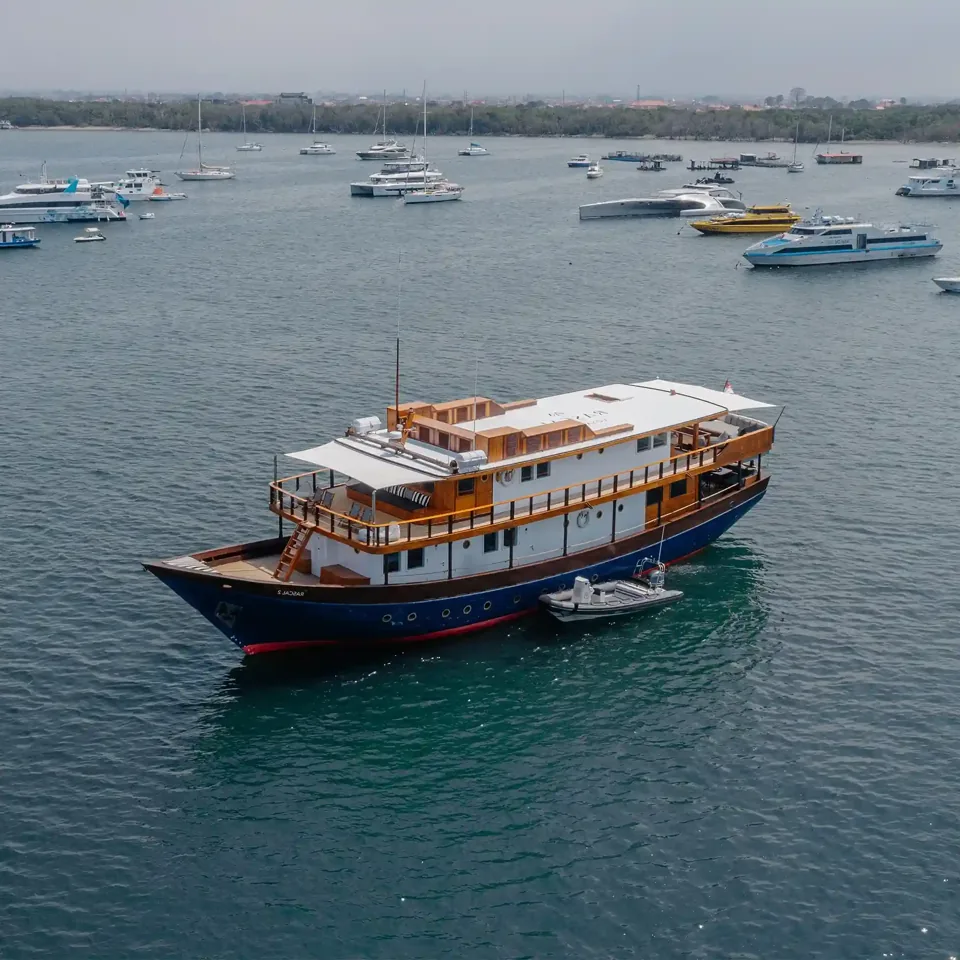
30 m traditional phinisi yacht, 5 cabins, 10 guests. From USD 12,000 per yacht, per night (+ 11% VAT), 7-night minimum. A ten-guest yacht with a tender is the right size for the Yapap, Wayil and Fiabacet day: one tender run carries the whole group. Seven nights is USD 84,000 for the whole yacht, about USD 1,200 per person per night for ten guests, before VAT. Rascal in the Misool boutique phinisi charter tier.
Larger groups look at Celestia, a 45 m phinisi with 7 cabins for 14 guests, from USD 13,500 per yacht, per night (+ 11% VAT), on the same 7-night minimum; she sits in the Misool phinisi charter tier. Private Raja Ampat charters are never priced below USD 6,400 per yacht, per night, and every quote comes with a worked total for the week and a per-person figure.
What can you see while snorkeling at Wayil, Yapap and Fiabacet?
Yapap gives shallow soft coral on limestone rock faces with small reef fish and turtles in the channels. Wayil is a calm lagoon, paired with the Wayilbatan barrel-sponge gardens and their schooling trevally. Fiabacet shows sea fans, schooling snapper and sweetlips on pinnacle tops within 8 m of the surface, with pygmy seahorses and wobbegongs deeper down for divers.
Is Yapap a dive site or a snorkel site?
A snorkel site. Yapap is a group of limestone rocks and islets split by shallow channels, and the soft coral and reef fish sit just below the surface. Divers get more from Fiabacet and Wayilbatan on the same day. Non-swimmers see Yapap well from the tender, which is one reason it suits mixed groups.
How deep is Fiabacet and does it suit beginners?
The Fiabacet pinnacles run from 8 to 35 m with a current that is typically moderate but tide-dependent. Certified divers treat it as the main dive of the day. Snorkelers can cover the pinnacle tops near slack water, when the crew judges the current low enough; on a running tide they move to Wayil lagoon or Yapap instead.
Can you land at Kalig beach?
Yes. Kalig is a small white-sand island beside Fiabacet and it is the standard surface stop between dives, usually for lunch. Visitors arrive by tender, use the designated landing area, remove all rubbish and do not collect shells, coral or wildlife. On a private charter the crew sets lunch on the sand while divers finish.
Can you do all three in one day from a private yacht?
Yes. The yacht holds one anchorage in southern Misool and the tender runs Fiabacet, Yapap, Wayil, Kalig and Wayilbatan in sequence, with the Fiabacet dives placed on the tide and the lagoon stops in the midday light. A shared liveaboard follows its dive schedule; a private yacht follows the tide and the group.
Are there manta rays at Yapap, Wayil or Fiabacet?
Not as a rule. Misool’s manta cleaning station is Magic Mountain, an exposed seamount at 7 to 40 m that is dived separately and is generally for advanced divers. The three snorkel groups are about soft coral, sponges, reef fish and macro life. A seven-night charter has room for both the lagoon day and the manta day.
Send your dates, group size and whether anyone dives, and the Misool Luxury Charter Desk will place the Yapap, Wayil and Fiabacet day on the right tides within a seven-night route from Sorong. WhatsApp +62 811-3941-4563 or email [email protected].