What a yacht tour of the Misool caves actually is
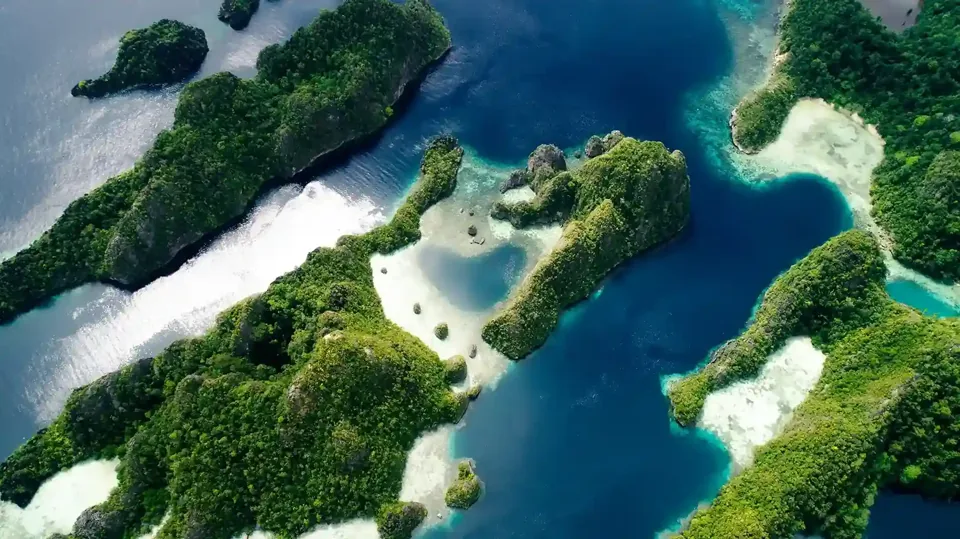
Misool is the southernmost of Raja Ampat’s four main islands, and its southern karst is cut by the sea into caves and overhangs along the waterline. Tomolol is the one most people come for: a cave you enter from the water, with the paintings that give Misool its reputation for rock art on the cliffs around it. The Misool, Raja Ampat guide places this southern coast against Waigeo, the Dampier Strait and Wayag for first-time visitors.
Nothing about this is a day trip from a town. Misool has no airport, and the caves sit at the far end of a 90–110 nautical mile passage from Sorong, which a yacht covers overnight in roughly 10–14 hours. The yacht is the only practical base. It anchors in a sheltered bay, the tender takes you to the cave mouth, and you are back on deck for lunch.
How the yacht tour works: tender, guide and tide
The yacht stays outside. The cave is a tender run, and the conservation-area rules on anchoring and mooring govern where the hull may sit. Your crew runs the tender in and holds position off the entrance while you swim.
A local guide comes with you. Misool’s conservation area runs on zoning and the customary sasi system, and visitors are expected to use authorized guides. The guide also knows the cave, which matters once you are inside and the daylight is behind you.
Timing follows the tide. The entrance and the water inside change with its state, so your captain and the guide agree a window the evening before, and the morning plan is built around it. If the window is early, that is when you go, and the yacht’s day shifts to fit.
Swimming in Tomolol Cave: light, depth and etiquette
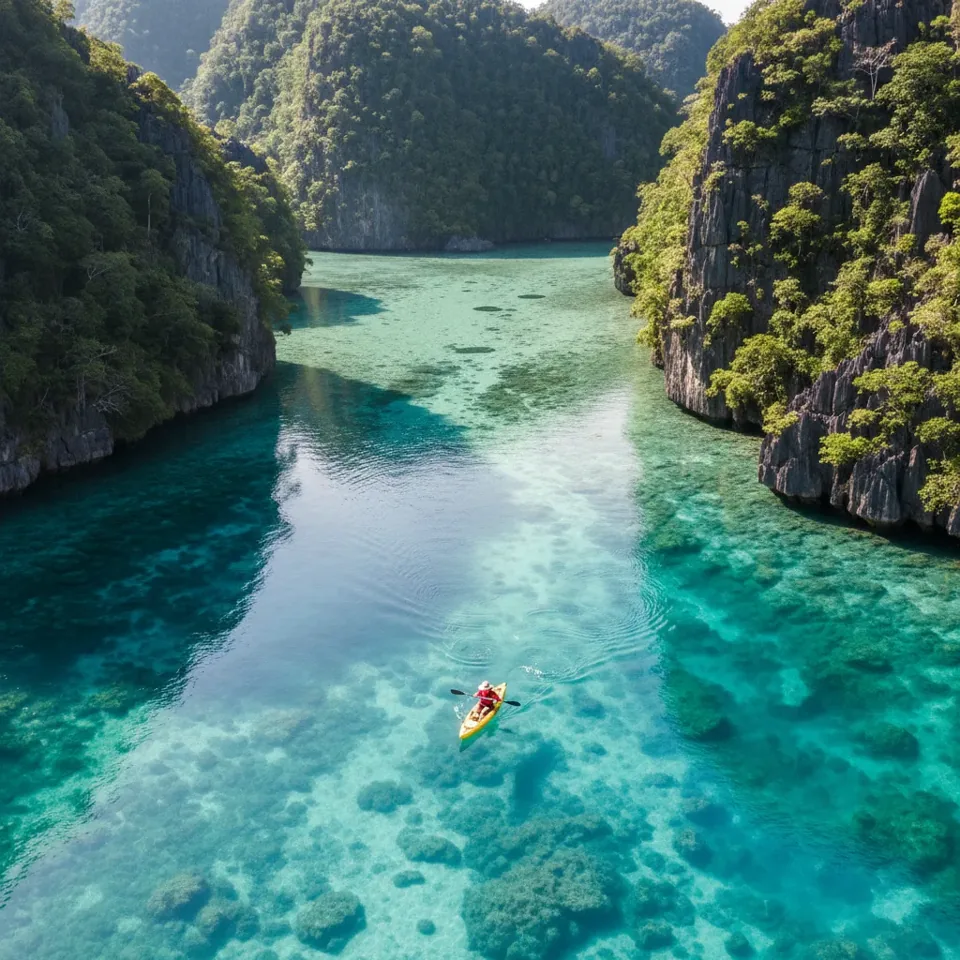
Yes, visitors can swim in Tomolol Cave, and swimming is the way in. You leave the tender at the entrance, pass through the mouth and find yourself in a chamber lit by the daylight behind you and by whatever light finds its way through openings above. The light changes with the hour, and the guide decides the time on the day.
Depth varies with the tide and from one part of the cave to another, so treat it as a swim rather than a wade. A mask and snorkel are worth bringing; the water inside is calm and clear enough to see the rock below you. Fins are useful for the entry if there is any current. Nothing more than that is needed; a waterproof torch lets the guide show you the walls.
The cave also holds a tomb. Local custom treats it with respect, and the guide will tell you where it is so that you keep your distance. Keep your voice down, keep your hands off the walls, and do not climb onto ledges for a better view; the formations do not recover.
The Misool rock art: what you see and how old it is
The paintings are on the limestone cliffs near Tomolol. They are red, and they include hand stencils, where pigment was blown around a hand pressed to the rock, together with figures that read as animals and people. You view them from the tender, which keeps its distance from the rock.
On age, be careful with what you read. One published estimate places the Misool rock art at approximately 3,000–5,000 years. Another claims a range from 5,000 to 50,000 years. The two cannot both be right, and the broad 50,000-year figure is the one to doubt most. We write 3,000–5,000 years because it is the narrower claim, and we tell guests that the dating is unverified rather than settled.
The rules are simple and absolute. Do not touch the paintings. Do not wet them, splash them or climb toward them. Do not use flash, and do not let a drone hover against the cliff. The pigment has survived because it was left alone, and the tender keeps a respectful distance for the same reason. A long lens does the work; your crew will position the boat for the light.
Where the Tomolol rock art is located
In southern Misool, on the limestone cliffs around Tomolol Cave, within the Misool conservation area of Raja Ampat. The nearest practical access is by yacht from Sorong, anchoring in the sheltered bays of the southeastern karst and running in by tender. It is not reachable by scheduled transport.
Other caves and overhangs around Misool
Tomolol is the destination, but it is not the only hollow in the rock. The karst around it holds overhangs where the sea has undercut the cliffs, and a tender ride along them at low water passes smaller caves and arches.
The same tender morning pairs naturally with the lagoons. Balbulol is the classic karst-and-reef stop in the south, Wayil’s Love Lagoon has its viewpoint, and Yapap is a cluster of limestone rocks visited for scenery and snorkeling. Harfat Jaya gives the overview of all of it from above, after a steep hike. A thoughtful captain strings these together over two or three days rather than racing them in one, which is where the 7-night minimum earns its keep.
Lenmakana, the jellyfish lake, is a different kind of enclosed water and has its own rules: surface snorkeling only, no fins, no scuba, nothing on your skin that pollutes. We cover it in the Misool jellyfish lake guide.
Cultural respect and village permissions
Misool lies within a conservation area with zoning, ranger patrols and the customary sasi system, under which communities close and open areas of sea and land on their own authority. Access to the cave and the cliffs depends on local permission, not on the charter contract, and the way to keep it is to behave as a guest.
In practice this means three things. Every visitor carries the Raja Ampat conservation entry card, which the crew arranges at embarkation in Sorong and which sits outside the charter rate; the most consistently reported 2026 figure for foreign visitors is IDR 700,000, about USD 40, though sources differ. The yacht uses authorized guides and lands only where the guide says landing is permitted. And the party takes every piece of rubbish away, collects nothing, and obeys any temporary closure without argument, because a closure under sasi is a village decision and your crew will not override it.
Plan it
The cave is one morning. What makes it work is the yacht: a private vessel that anchors in the southern karst for several days, carries its own tenders and guides, and shifts its day to the tide. Private charters to Misool are priced per yacht, per night, from USD 6,400 to USD 35,000 depending on the vessel, with a 7-night minimum from Sorong and an October–April season. The Misool luxury tour page sets out how we build a tour around Tomolol, the lagoons and the dive sites; the Misool lagoons page covers the karst stops the cave pairs with, and the best time for Misool explains why November to March is the reliable window.
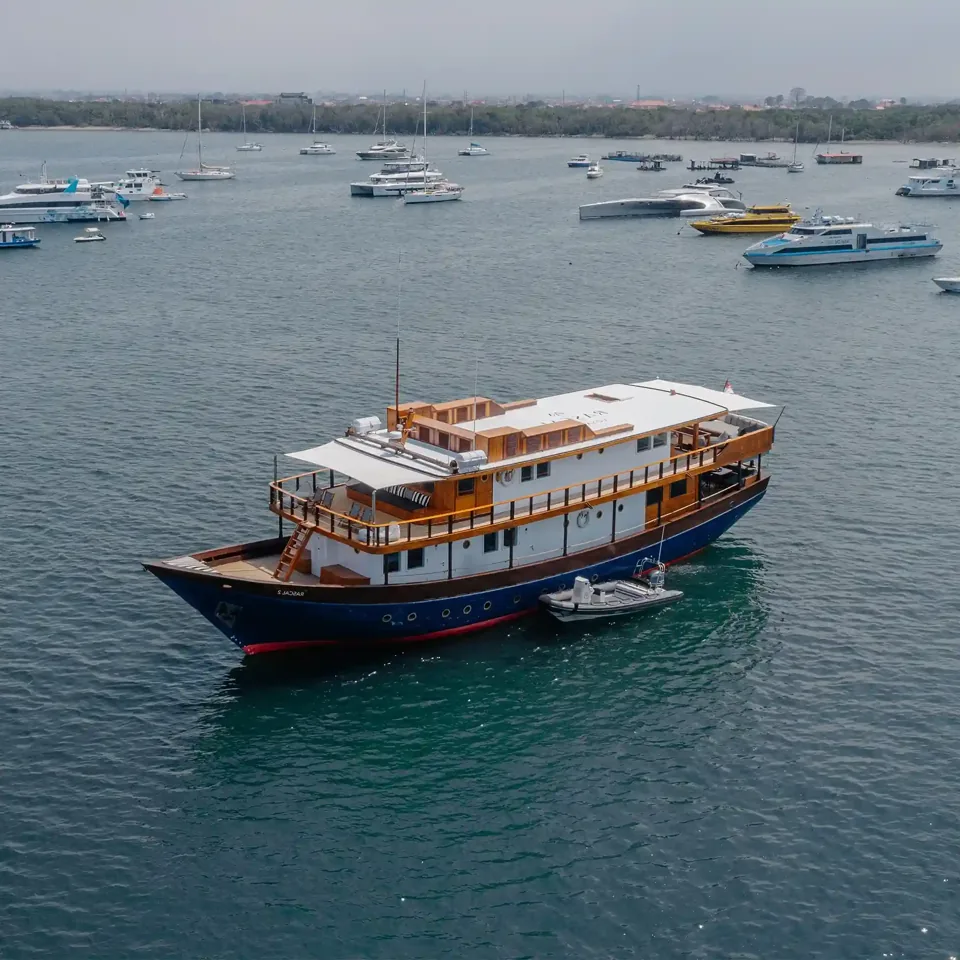
Rascal
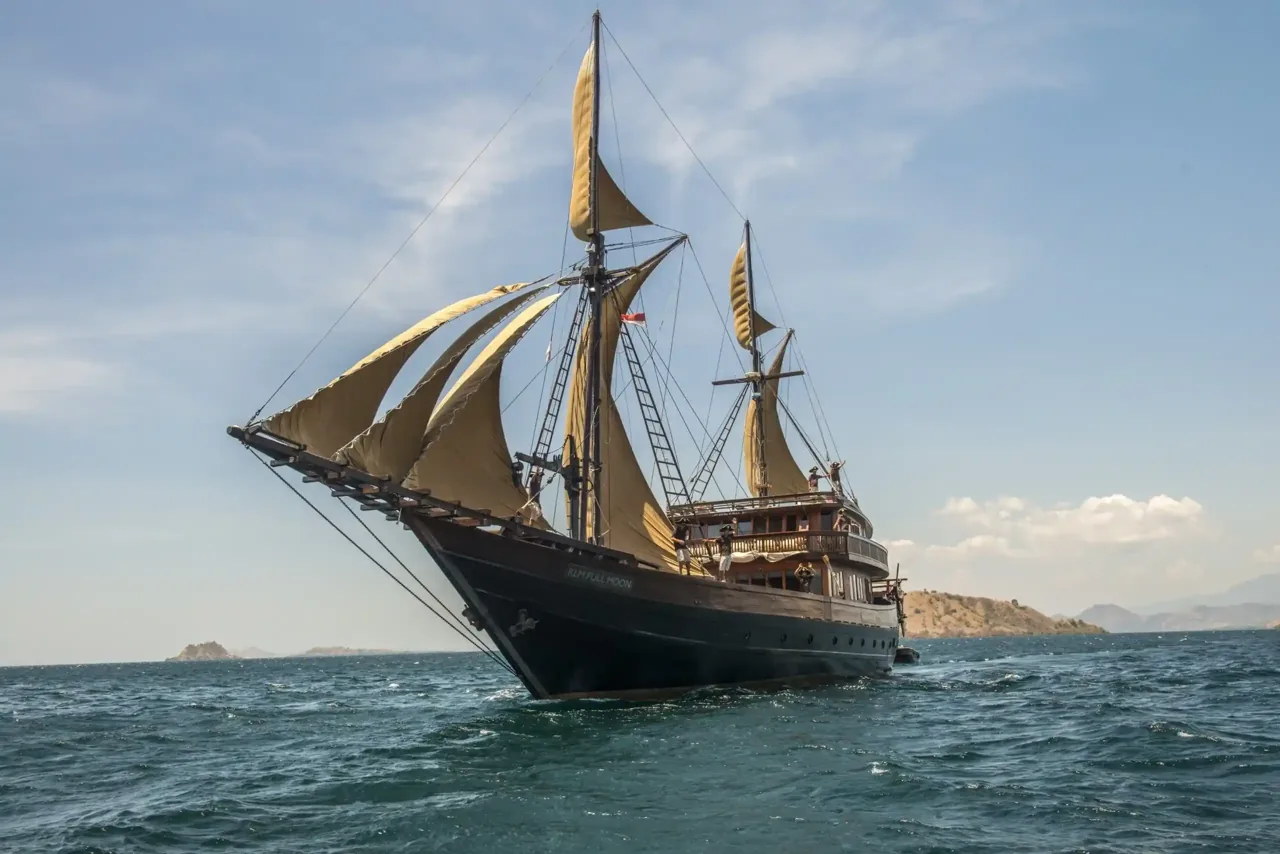
30 m traditional phinisi, 5 cabins, 10 guests. Sized for the southern karst: small enough to anchor close to the cave bays, with tenders and crew to run the Tomolol morning on the tide. From USD 12,000 per yacht, per night (+ 11% VAT), 7-night minimum: seven nights are USD 84,000 for the whole yacht, about USD 1,200 per person per night. Boutique phinisi tier.
Misool caves and rock art: questions we are asked
Can visitors swim in Tomolol Cave?
Yes. Swimming is how you enter. The tender brings you to the mouth, and you swim through into the chamber with a local guide, usually with mask and snorkel. Depth and light change with the tide and the hour, so the captain and guide pick the window the evening before. Keep hands off the walls, stay clear of the tomb inside, and swim out on the guide’s call.
Where is the Tomolol rock art located?
On the limestone cliffs around Tomolol Cave in southern Misool, inside the Misool conservation area of Raja Ampat. The paintings are viewed from a tender. The only practical way to reach them is by yacht from Sorong, anchoring in the southeastern karst and running in by small boat with an authorized guide.
How old is the Misool rock art?
Published estimates conflict. One source gives approximately 3,000–5,000 years; another claims 5,000–50,000 years. We quote the narrower figure and describe the dating as unverified, with the 50,000-year claim the least reliable. The images, red hand stencils and animal and human figures, are prehistoric in any reading, which is reason enough to view them without touching, wetting or flashing them.
Can visitors explore caves and rock art near Misool on a yacht charter?
Yes, and a private yacht is the practical way to do it. The vessel anchors in the sheltered bays of southern Misool, and the crew runs tenders to Tomolol, to the rock-art cliffs and to the smaller overhangs along the karst. Each visit is timed to the tide and led by a local guide, with the permissions and the conservation card handled by the captain before you leave the yacht.
Do I need a permit to visit Tomolol Cave?
You need the Raja Ampat conservation entry card, which the crew arranges at embarkation in Sorong; the most consistently reported 2026 rate for foreign visitors is IDR 700,000, about USD 40, though sources differ. Access to the cave and cliffs is also governed by village permission under sasi, which your captain and the local guide secure. See Misool permit fees for the detail.
When is the best time for a Misool cave tour?
October through April, when the seas south of Misool are calm enough for the passage from Sorong and the tender work in the karst. November to March is the most reliable stretch, and January and February are often the best all-around months. The south-east monsoon from May to September brings rough water, and exposed crossings can become difficult or unsafe.
Tell the charter desk your dates and the size of your party, and we will plan the Tomolol morning, the lagoons and the yacht around the tide. WhatsApp +62 811-3941-4563 or email [email protected].